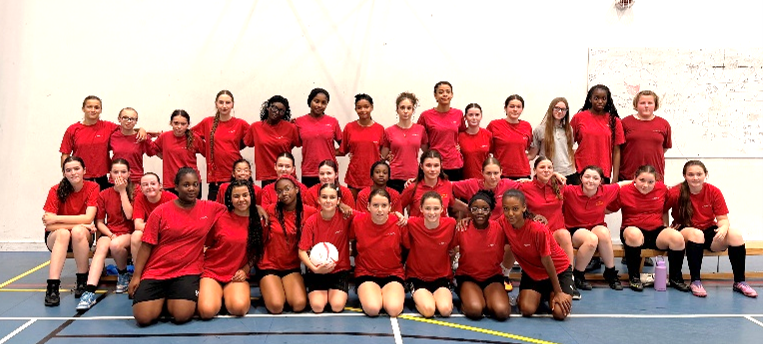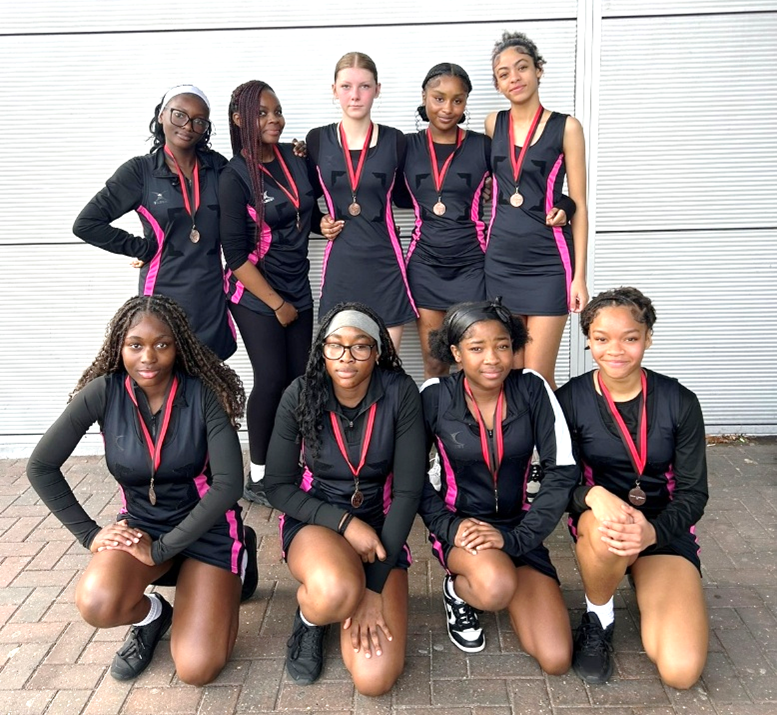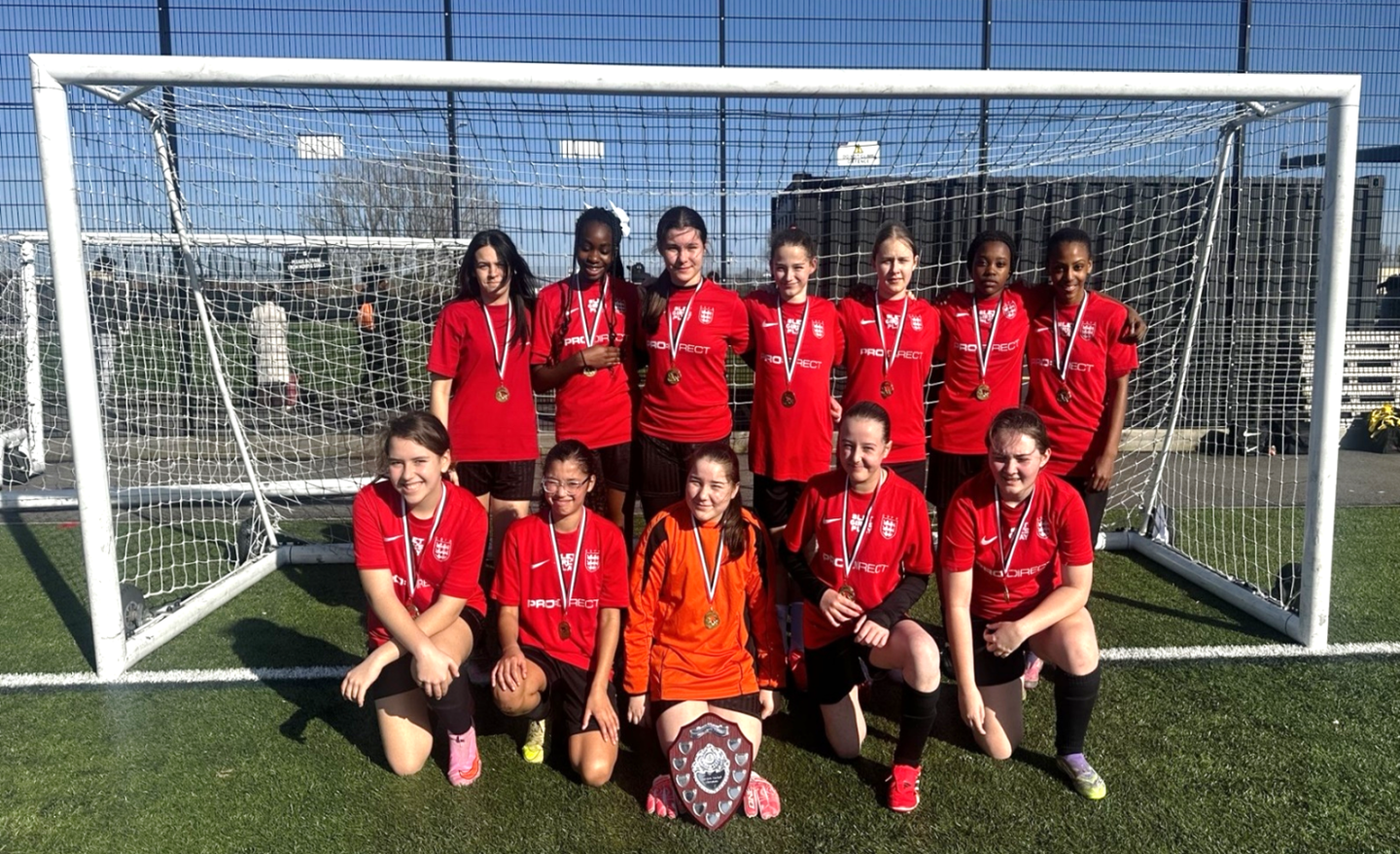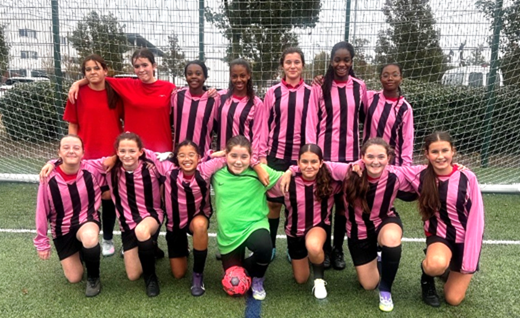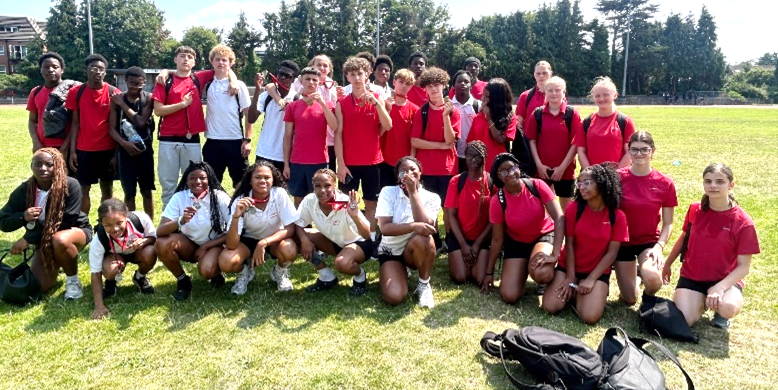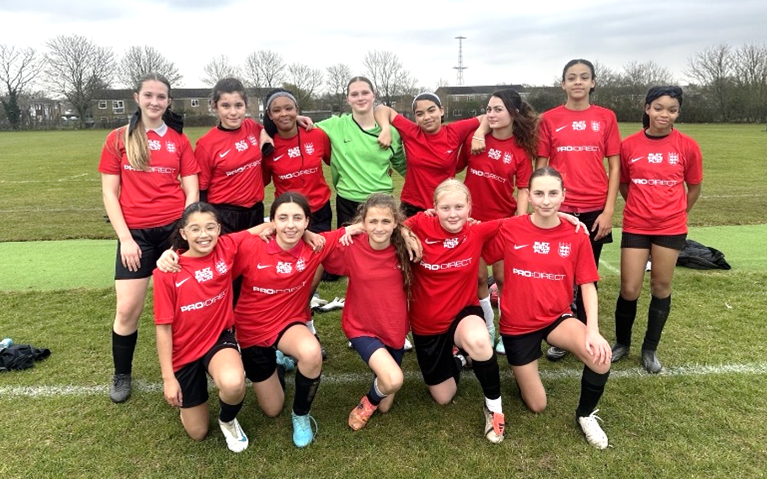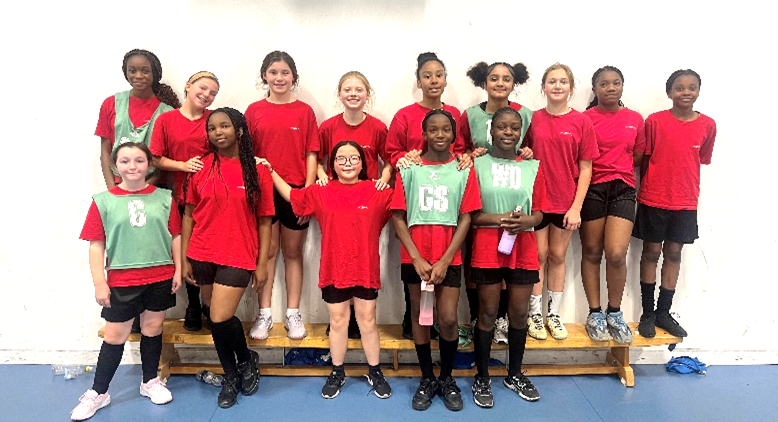

Amongst other things, students will have the opportunity to perform in a range of roles such as performer and official; experience competitive situations; work as a team to plan strategies and tactics; appreciate and evaluate performances and develop and apply their skills in a wide range of sports.
Curriculum
Key Stage 3
The delivery of Physical Education at Key Stage 3 at JRCS has been updated and brought in line with the new National Curriculum for PE. Due to the increase in school population, changes to the curriculum, brought in from September 2015 have been made, ensuring students experience a breadth of topic areas.
Assessment for learning is something that we regard extremely important in PE. The use of milestone assessment sheets allows students the time to reflect on learning and identify areas for further improvement.
Students are provided with regular feedback throughout their different topic areas, with the aim to help and guide the pupils through their learning and to enhance progress. Various methods are used by staff in the department to stretch and challenge students, including the use of ICT equipment to help analyse performances.
Students will build on and embed the physical development and skills learned in Key Stage 2, become more competent, confident and expert in their techniques, and apply them across different sports and physical activities. They will understand what makes a performance effective and how to apply these principles to their own and others’ work. They will develop the confidence and interest to get involved in exercise, sports and activities out of school and in later life, and understand and apply the long-term health benefits of physical activity.
Students will be taught to:
- use a range of tactics and strategies to overcome opponents in direct competition through team and individual games [for example, table tennis, basketball, cricket, football, netball, rounders and handball].
- develop their technique and improve their performance in other competitive sports [for example, athletics and gymnastics].
- take part in outdoor and adventurous activities which present intellectual and physical challenges and be encouraged to work in a team, building on trust and developing skills to solve problems, either individually or as a group.
- analyse their performances compared to previous ones and demonstrate improvement to achieve their personal best.
- take part in competitive sports and activities outside school through community links or sports clubs.
Key Stage 4
GCSE (9-1) Physical Education (PE)
Studying GCSE (9-1) PE opens students’ eyes to the amazing world of sports performance. Not only do they have the chance to perform in three different sports through the Non Exam Assessment component, they can also develop wide ranging knowledge into the how and why of physical activity and sport. The combination of physical performance and academic challenge provides an exciting opportunity for the students. They can perform, and then through the academic study learn how to improve their performance through application of the theory. PE is learned about through a range of different contexts and the impact it has on our own and others’ everyday lives. The students learn the reasons why we do things and why some people outperform others – mentally and physically. They also delve into the ethical considerations behind the use of drugs and gain an understanding of the consequences of inactivity and poor diet. GCSE (9-1) PE includes the compulsory study of: Applied Anatomy and Physiology, Physical Training, Sports Psychology, Socio-cultural Influences and Health, Fitness and Wellbeing. Alongside this are the skills of PE, which are examined via the Non Exam Assessment (NEA) component.
Assessment
The GCSE (9-1) PE specification content is divided into three components. Each component is further sub-divided into topic areas and the detailed content associated with those topics. Components 1 and 2 are assessed by written examination papers. Component 3 is NEA, and is internally assessed and externally moderated.
Cambridge National
Sport Studies Level 1/ Level 2 Certificate
The Cambridge Nationals Sport Studies course gives learners the opportunity to apply theoretical knowledge about different types of sport and physical activity into their own practical performance. Students will also have to opportunity to take on the role of a leader through the sports leadership section of the qualification. Learners will explore a variety of contemporary issues in sport such as funding, participation, ethics and the role media plays within a sports setting.
Assessment
Cambridge Nationals use both internal and external assessment and have a range of exciting units to choose from. All Cambridge National qualifications have the same structure with two mandatory units and a choice of optional units. The externally assessed unit contributes 25% of the marks for the Certificate size qualification.
Key Stage 5
A Level Physical Education (PE)
The A level specification provides students with the exciting opportunity to gain a deeper understanding of PE. Stimulating content is at the heart of this engaging qualification, and encourages students to immerse themselves in the world of sports and PE. Studying A Level PE gives the students a fantastic insight into the amazing world of sports performance. Not only do they have the chance to perform or coach a sport through the non-exam assessment component, they can also develop a wide-ranging knowledge into the how and why of physical activity and sport. The A Level in PE is studied though a range of different contexts. Our students learn the reasons why we do things and why some people outperform others – mentally and physically. They’ll also delve into the ethical considerations behind the use of drugs and also the influence that modern technology is having on physical activity and sport.
Assessment
The A Level PE specification content is divided into four components. Each component is further sub-divided into topic areas and the detailed content associated with those topics. Components 1-3 are assessed via written examination papers. Component 4 is NEA, and is internally assessed, externally moderated.
Enrichment
Marking Policy
At JRCS we look to embed regular feedback into our lessons as a way of marking students work and highlighting areas for them to improve and develop. At KS3, live feedback is used primarily in lesson by the teaching staff, which provides the students with accurate and immediate feedback. This is also used in KS4 and KS5 lessons, alongside feedback tasks in student’s books, which pupils complete in green pen. This marking policy is designed to challenge student’s misconceptions and to enhance knowledge and understanding as early as possible.
Levelling and Assessment
KS3
To develop a growth mindset and reflect ‘life after levels’ work in KS3 books will not usually be levelled; assessment will be formative and highlight how students can improve. Students will record areas of strength and development on their ‘reflection sheets’ which will be at the front or back of the book. At the end of each term a level is reported for students in each subject, which reflects all their work over that term. These are found on students’ pale yellow progress cards, which are stuck into their planners. These cards show students whether they are in line to meet their end of key stage target. With the move away from National Curriculum levels, the school is trialling a new ‘skills thermometer’ and 1 to 9 levelling in English. Other KS3 subjects will be using NC levels for the remainder of this year.
KS4
KS4 practice exam questions and mock exams are likely to be graded. This work might not be in student books. Students will record grades and areas of strength and development in their ‘reflection sheets’ which will be at the front or back of the book. All students receive an attainment and predicted grade at the end of each term. These are found on their pale yellow progress cards, which are stuck into their planners. These cards show students whether they are in line to meet their end of key stage target.
KS5
At KS5 students take a series of VIMAs (Sixth Form Milestone Assessments) during their course. Students receive developmental comments to help them improve their work. Each VIMA result includes four parts: the grade for that assessment, a comparison of the grade with their expected progress grade (EPG), a Learning Capability mark and a prediction of their end of year grade (PEG). The outcomes of these assessments and other graded work will be in student folders. They are also sent home to parents. A summary of VIMA marks and the students’ expected progress grade is also recorded in their planner.
Kit policy for PE
- Go straight to the PE office.
- You need to produce your planner as a deposit.
- You WILL have to wear kit provided by the department.
- You will receive a 20 minute detention.
- If the detention is missed it will be upgraded to a Head of Department 1 hour detention on a designated evening.
- If you forget your kit more than once in a half term the length of the detention will increase from 20 minutes to 40 minutes, then again to 1 hour Head of Department detention.
- Following issues will then result in a 2 hour Senior Leadership Team Detention.